
Structured Data for Web Apps: Implementing JSON-LD Article Schemas
Learn how to implement structured JSON-LD article schemas for blog posts to optimize visibility in search results.
🔧 Interactive Utility Tool
Try the free, 100% secure client-side tool associated with this guide. No registration required.
Structured Data for Web Apps: JSON-LD Articles
Managing digital documents requires strict compliance with formatting and font subsets. Here is a direct definition of this standard.
PDF (Portable Document Format) is a digital document standard designed to preserve formatting across all devices. Modern PDF operations utilize local browser APIs to merge, split, or secure pages without server uploads, protecting document data.
Structured data helps search engines understand the content and structure of your website pages. For blog posts and documentation, implementing a JSON-LD Article Schema is essential for optimizing search visibility and appearing in rich snippet carousels.
Product-Led CTA: Uploading sensitive contracts to cloud services poses severe privacy risks. Use our free, local Merge PDF Documents Tool or Split PDF Pages Tool to compile and split pages safely in memory.
⚡ Quick Action: Use the Online Tool
This guide pairs with our free, 100% secure client-side utility tool. Process your files or text instantly in-browser.
📐 Key Fields in Article Schemas
When writing your JSON-LD block, include these core Schema.org fields:
* headline: The title of the article, which should match the page's H1 header.
* description: A short summary of the article's contents (similar to your meta description).
* datePublished: The ISO 8601 date format of publication (e.g., 2026-07-24).
* author: An Organization or Person object identifying the content creator.
* publisher: The organization hosting the content, including their official logo.
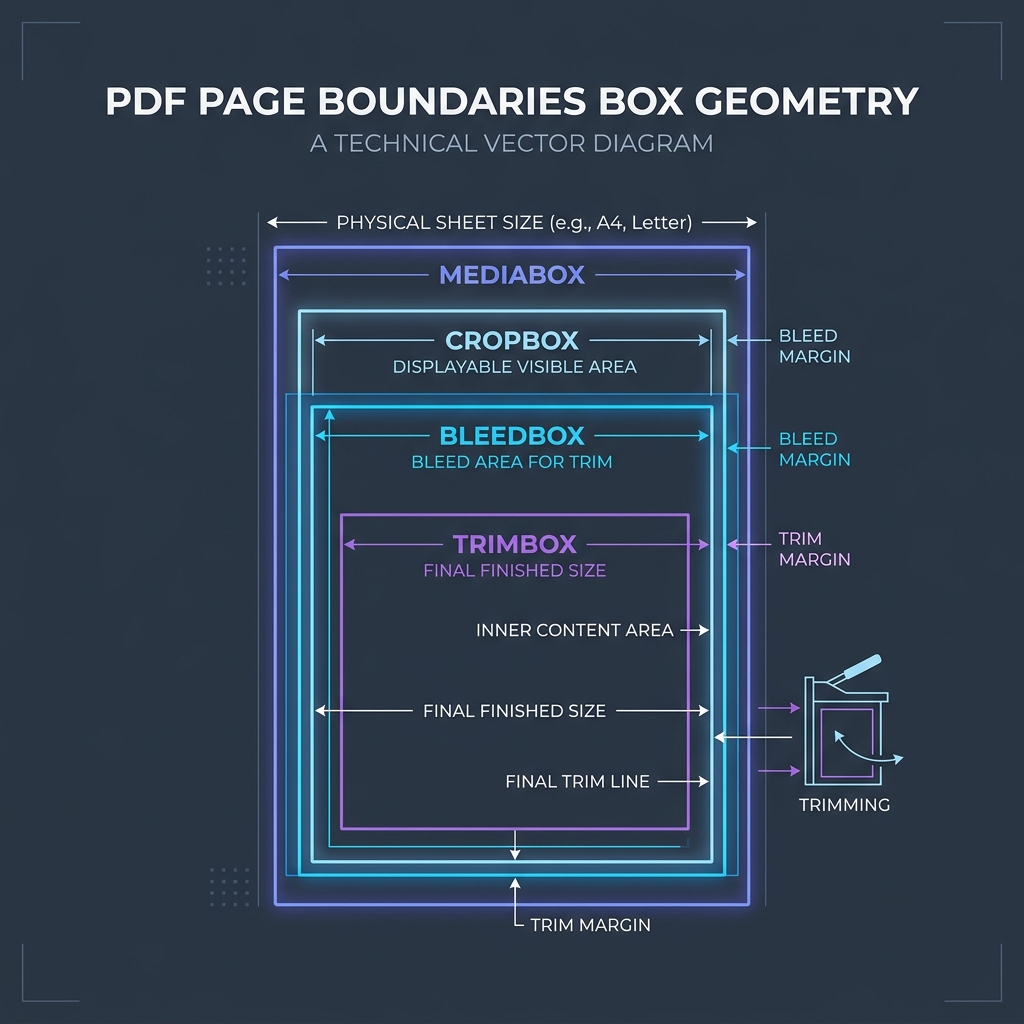
📊 Document Sizing and Page Reference
Below is a page coordinate reference diagram illustrating standard PDF layout boundaries:
🛡️ Best Practices for Article Schemas
To integrate structured schemas effectively:
* Use the JSON-LD Format: Place the structured data block inside a <script type="application/ld+json"> tag in the HTML body or head.
* Validate Your Code: Use Google's Rich Results Test tool to check that your schema structure has no syntax errors or missing required fields.
* Read Structured Data JSON-LD WebApplication Schemas to learn more.
* Organize your document pages locally with our client-side Merge PDF and Split PDF tools.
Join the Urbandigistore Hub
Subscribe to receive premium developer cheat sheets, advanced conversion techniques, and campaign optimization checklists. Zero spam, unsubscribe anytime.
🚀 Launch Interactive Tool
Ready to test this directly? Open the secure web tool in a new sandbox tab.