
How to Convert ODD to PDF: Document Catalog Compilation Guidelines
Learn how to compile and combine multiple ODD files into a standard formatted PDF document catalog.
🔧 Interactive Utility Tool
Try the free, 100% secure client-side tool associated with this guide. No registration required.
How to Convert ODD to PDF: Catalog Compilation
Managing digital documents requires strict compliance with formatting and font subsets. Here is a direct definition of this standard.
PDF (Portable Document Format) is a digital document standard designed to preserve formatting across all devices. Modern PDF operations utilize local browser APIs to merge, split, or secure pages without server uploads, protecting document data.
If you are compiling a technical schema specification, archival standard sheet, or academic manuscript document containing multiple TEI ODD files, consolidating them into a single file is key. Converting ODD to PDF compiles these text schema files into standard formatted document pages.
Product-Led CTA: Do not risk uploading your private manuscripts to online transcoders. Combine your files safely in memory using our free, client-side ODD to PDF Converter with custom layouts.
⚡ Quick Action: Use the Online Tool
This guide pairs with our free, 100% secure client-side utility tool. Process your files or text instantly in-browser.
📐 Formatting ODD manuscript inside PDF Pages
To ensure your compiled ODD text descriptions fit standard PDF grids: * Scale Font Sizes: Use proper font sizes and hierarchy to keep large XML descriptions readable. * Center Code Blocks: Align the XML code elements and configure margins (e.g. 0.5-inch margins) to prevent horizontal overflow. * Prevent Metadata Mismatch: Ensure the compiler renders the header sections of the ODD manuscript for proper page indexing.
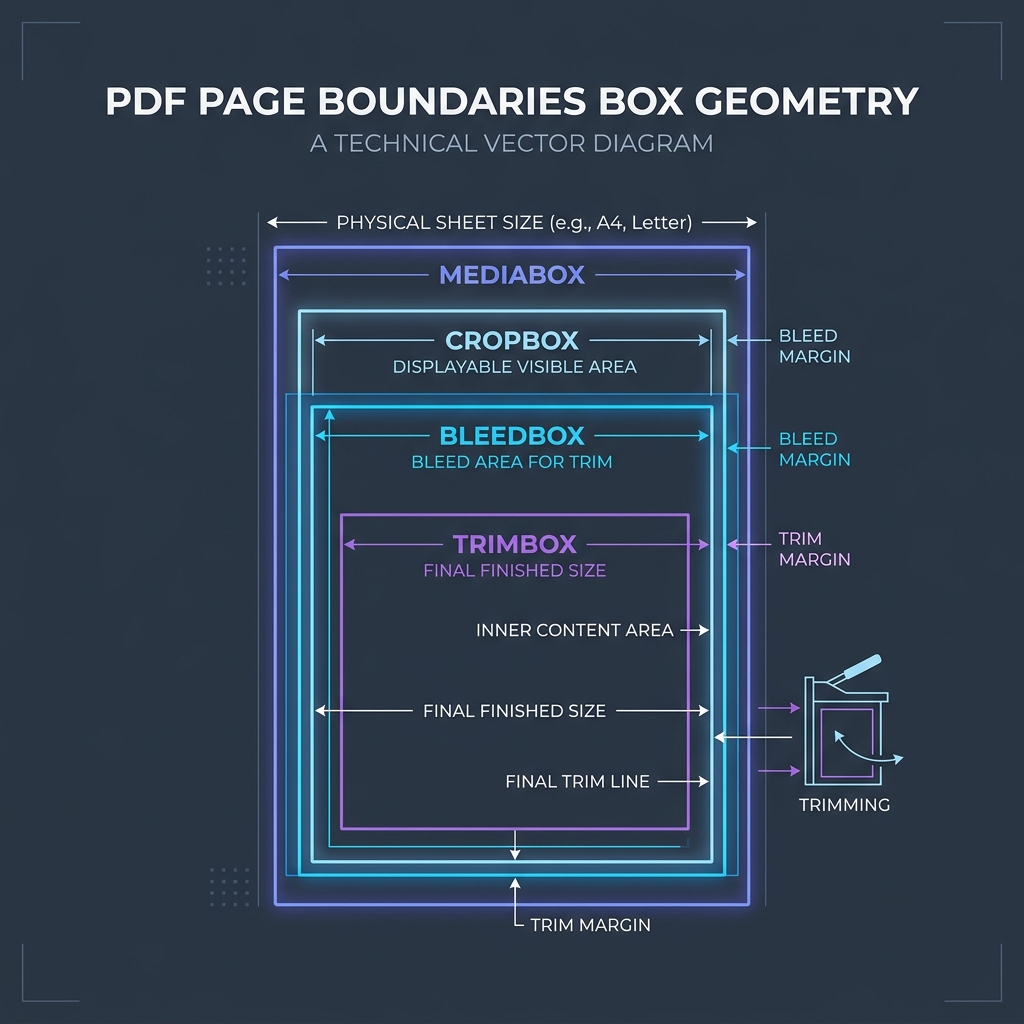
📊 Document Layout Reference
Below is a document layout coordinate chart illustrating standard page borders and layout boxes:
🛠️ Step-by-Step ODD Compilation Guide
To build your PDF locally: 1. Load ODD Files: Drag-and-drop your manuscript assets into our converter. 2. Order Pages: Reorder your page sequence by clicking and dragging preview thumbnails. 3. Adjust Layout: Choose portrait or landscape configurations to match your text blocks. 4. Export File: Click compile to output the merged PDF file locally in memory. 5. Read Image to PDF Aspect Ratios and Understanding PDF Margins to learn more. 6. Combine your assets locally with our client-side ODD to PDF Converter.
Join the Urbandigistore Hub
Subscribe to receive premium developer cheat sheets, advanced conversion techniques, and campaign optimization checklists. Zero spam, unsubscribe anytime.
🚀 Launch Interactive Tool
Ready to test this directly? Open the secure web tool in a new sandbox tab.